


Commercial solar panels are photovoltaic (PV) systems designed for businesses, industries, educational institutions, hospitals, and other large establishments to generate electricity from sunlight. These systems convert solar energy into usable electrical power, significantly reducing dependency on grid electricity and lowering operational costs. A commercial solar setup typically consists of solar panels, inverters, mounting structures, electrical cables, and a monitoring system. Sometimes, battery storage is also included to store excess power for later use or during power cuts. The most common types of panels used are monocrystalline (high efficiency, suitable for limited space), polycrystalline (cost-effective and ideal for large rooftops), and thin-film (lightweight and flexible, good for extensive ground areas). One of the major advantages of commercial solar panels is their ability to reduce electricity bills, provide energy independence, and enhance a company’s sustainability profile. Businesses adopting solar energy can also avail of government subsidies, accelerated depreciation benefits, and various tax incentives. Additionally, installing a solar power system increases the organization’s reputation as an environmentally responsible entity. A key financial model in commercial solar adoption is the Power Purchase Agreement (PPA). Under a PPA, a third-party solar developer installs, owns, and maintains the solar power system on the business’s property, while the business agrees to purchase the generated electricity at a fixed rate per unit for a specified period (usually 5-10 years). This model allows companies to switch to solar energy without any upfront investment or maintenance responsibility. The business benefits from lower electricity costs compared to traditional grid tariffs, while the developer earns revenue through long-term energy sales. Overall, commercial solar panels offer a sustainable, cost-efficient, and low-maintenance solution for organizations looking to reduce expenses, achieve energy security, and contribute toward a cleaner environment.
Commercial Solar
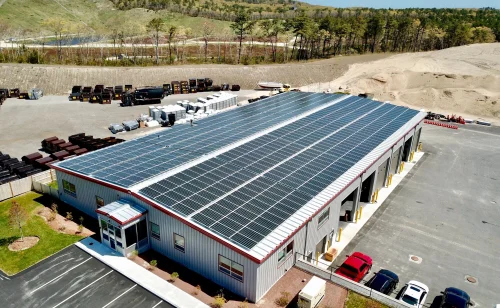
Commercial Solar Pannel
Commercial Solar
Developer builds, owns, operates, and maintains the solar plant during the contract period.
Consumer pays only for the electricity consumed at a pre-agreed tariff.
No upfront investment required by the consumer.
Ownership of the plant is transferred to the consumer at the end of the lease term.
Typical contract period ranges from 5 to 10 years.
Offers lower tariffs than grid electricity, ensuring immediate savings.
Provides performance guarantee and risk-free operation during the lease period.
Combines benefits of OPEX (during lease) and CAPEX (post-transfer) models.
Ideal for industries, commercial complexes, hospitals, and educational institutions seeking long-term energy independence.
Interior Services
Address
Raj Regalia complex opp new water tank pale villege Ambarnath east 421501
Phone
+919594097979
info@vedantsolar.com
© 2024 Copyright vedant swami solar